
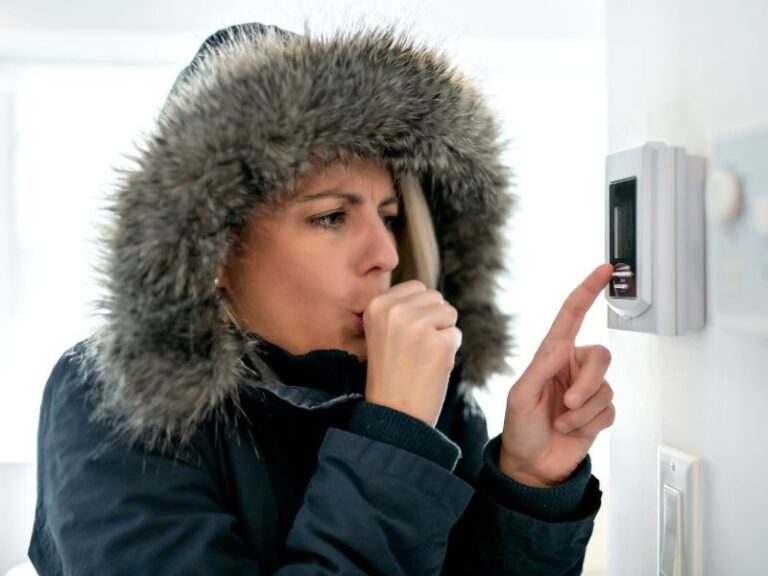
It’s a chilly evening in Huntsville, AL, and you cranked up the thermostat minutes ago, expecting a wave of cozy warmth. Instead, your gas furnace decides to blow cold air through your vents. Before you resign yourself to layering in blankets like a winter burrito, understand that cold air blowing from a furnace signals specific, fixable problems. Your heating system shouldn’t leave you out in the cold during Alabama’s winter months, and identifying the culprit behind this chilling performance helps you restore comfort fast. Here are the possible reasons your furnace is blowing cold:
Why Is My Furnace in Huntsville, AL, Blowing Cold Air?
A gas furnace operates through a carefully orchestrated sequence: the thermostat signals heating demand, the gas valve opens, the igniter sparks the burners and the blower circulates warmed air once the heat exchanger reaches proper temperature.
When any component in this chain malfunctions, you’ll experience the frustrating phenomenon of cold air distribution. Understanding what disrupts this heating cycle empowers you to troubleshoot effectively and communicate clearly with HVAC professionals.
The Thermostat Holds More Power Than You Think
Before investigating complex mechanical failures, examine your thermostat settings. Many homeowners accidentally switch their system to “ON” instead of “AUTO,” forcing the blower to run continuously even when the furnace isn’t generating heat. This setting circulates unheated air between heating cycles, creating the illusion of furnace failure.
Additionally, verify your thermostat displays the correct temperature and heating mode. A miscalibrated or dying thermostat can prevent your furnace from receiving proper heating commands, leaving you shivering despite seemingly correct settings.
When Pilot Lights and Igniters Fail to Spark
Gas furnaces require successful ignition to generate heat. Older models use standing pilot lights that can extinguish due to drafts, debris or thermocouple malfunctions. Modern furnaces employ electronic ignition systems, including hot-surface igniters and intermittent-pilot systems, which can fail due to age, electrical issues or sensor problems.
Without proper ignition, gas cannot combust, meaning your blower distributes only ambient-temperature air. If you notice your furnace attempting to start but failing to sustain heating, ignition components likely require professional inspection and potential replacement.
Dirty Filters Sabotage Airflow and Heating Performance
The furnace’s air filter plays a surprisingly significant role in heating operation. When filters clog with dust, pet dander and airborne particles, they severely restrict airflow. This restriction causes the heat exchanger to overheat, triggering safety limits that shut down the burners while allowing the blower to continue running.
The result is cold air circulation and potential system damage. The National Air Filtration Association recommends filter changes every 30 to 90 days depending on usage, pets and air quality concerns. This simple heating maintenance task prevents numerous furnace failures and extends equipment lifespan considerably.
Flame Sensors Guard Against Gas Leaks But Cause Heating Issues
Modern gas furnaces include flame sensors that detect whether burners ignite successfully. This safety component verifies that combustion has occurred before allowing continued gas flow.
Over time, flame sensors accumulate carbon deposits and oxidation that prevent accurate flame detection. When the sensor cannot confirm ignition, it shuts off gas flow after only seconds, cycling your furnace repeatedly without producing sustained heat. This protective mechanism prevents dangerous gas buildup but leaves homeowners confused about why their furnace starts then immediately stops, blowing progressively cooler air with each failed cycle.
How Huntsville’s Climate Affects Furnace Performance
Huntsville, AL, experiences variable winter temperatures that create unique challenges for heating systems. According to climate data, January temperatures average lows around 31°F with occasional dips into the teens. These fluctuating conditions force furnaces to cycle frequently, accelerating wear on ignition components and blower motors.
Additionally, Alabama’s humidity levels can cause condensation issues in high-efficiency furnaces, potentially freezing condensate lines during cold snaps. Understanding how local weather patterns stress your heating equipment helps explain why furnaces that worked perfectly during mild weather suddenly struggle when temperatures plummet. The Rocket City’s winter won’t blast off with your comfort if you address furnace issues promptly.
Is Your Furnace in Huntsville, AL, Blowing Cold? Schedule Repair!
Don’t let another cold night pass shivering under extra blankets. Contact Sensigreen Heating, Cooling & Insulation today for expert diagnostics and same-day furnace repair service in Huntsville, AL.
Image provided by Canva